

Long-Distance Moving Tips for Families
Moving long-distance as a family can be a complex process, filled with logistical challenges and emotional adjustments. Successfully transitioning to a new home requires careful planning, an understanding of logistics, and emotional readiness. This article provides comprehensive tips to make the transition smoother for all family members. Exploring strategies from packing to personal adjustment helps alleviate stress. By applying these practical steps, your family will easily navigate the complexities of relocating and seamlessly transition into your new home.
Be Prepared With a Detailed Timeline
A detailed timeline is critical when relocating long distances. Start by listing all major tasks and deadlines, including when to interview moving companies, coordinating school transfers, and notifying utilities of your move. Breaking down tasks into a step-by-step process helps ensure you do not overlook any significant aspects. Utilize digital tools like calendars and reminders to keep track of important dates and deadlines. A structured timeline allows families to allocate sufficient time for each phase, making the experience less overwhelming overall.
Ensure Your Budget Is Thorough
Budgeting accurately for your relocation is essential to avoid financial strain. Begin by estimating all expected expenses and set aside a reserve for unforeseen costs. According to a 2024 study by Home Bay, 53% of Americans encountered unexpected costs during their moves, including fees for fuel and heavy items. By anticipating hidden costs and establishing a buffer in your budget, you can better manage financial uncertainties. Monitoring your expenses throughout the move helps ensure you remain within your limits.
Hire Reliable Moving Companies
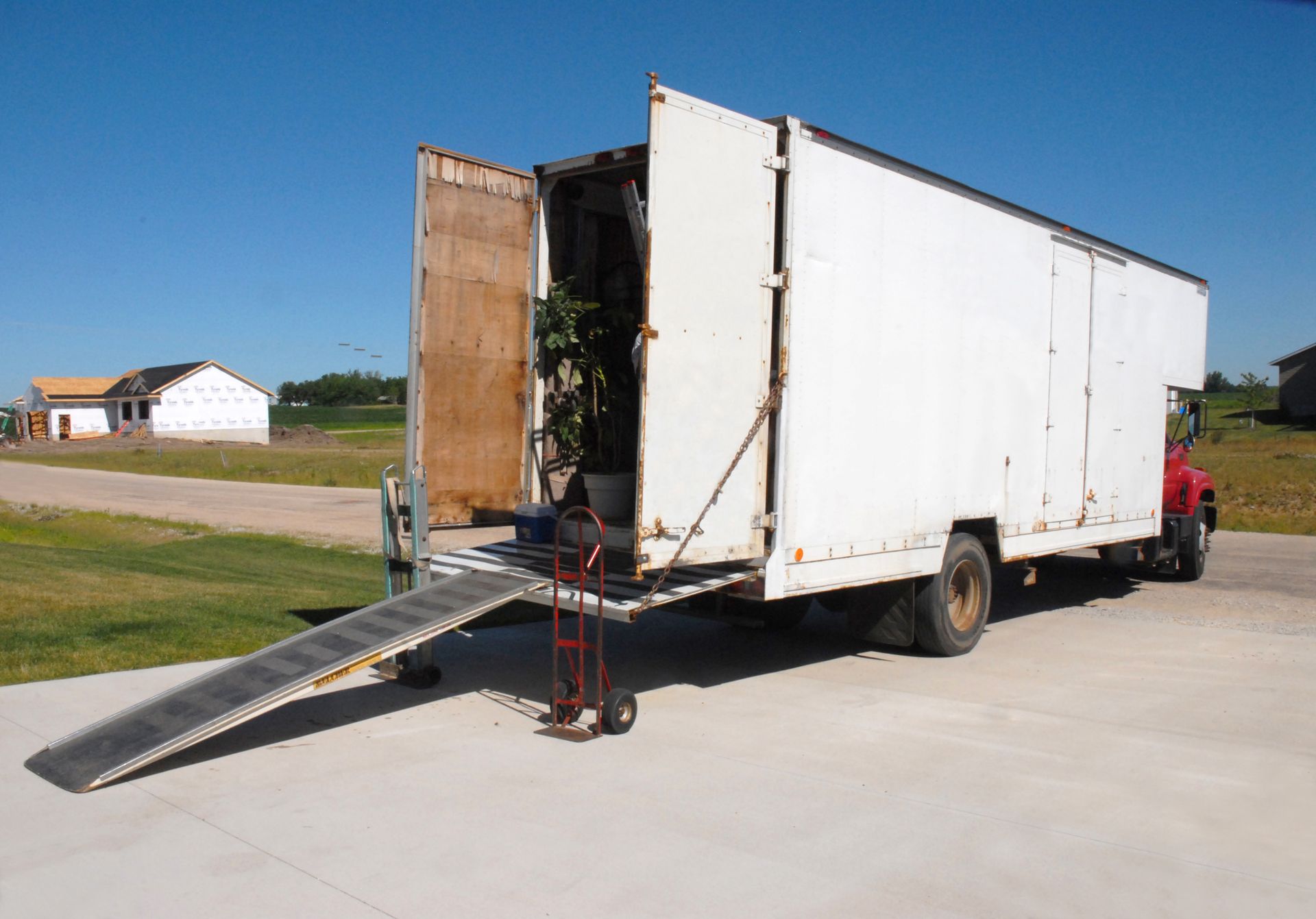
Finding reputable moving companies is fundamental to a successful move. Start by researching options, reading reviews, and seeking recommendations from friends or online forums. Ensure the business is fully licensed and insured to protect your belongings during transit. Obtain multiple quotes and compare them to pick an option that fits your needs and budget. A reliable service can significantly reduce the stress of relocating by handling logistics and ensuring your belongings arrive safely and on time.
Downsize and Declutter Your Belongings
Decluttering before a move helps simplify the process and reduce costs. Begin by sorting through your belongings and deciding what to keep, donate, or discard. Downsizing lightens your load and creates an opportunity to reorganize. A reduced volume of possessions often leads to lower quotes from moving companies and more efficient packing services. Once you have minimized what needs moving, you will find settling into your new home more manageable and less stressful.
Use Quality Supplies for Protection
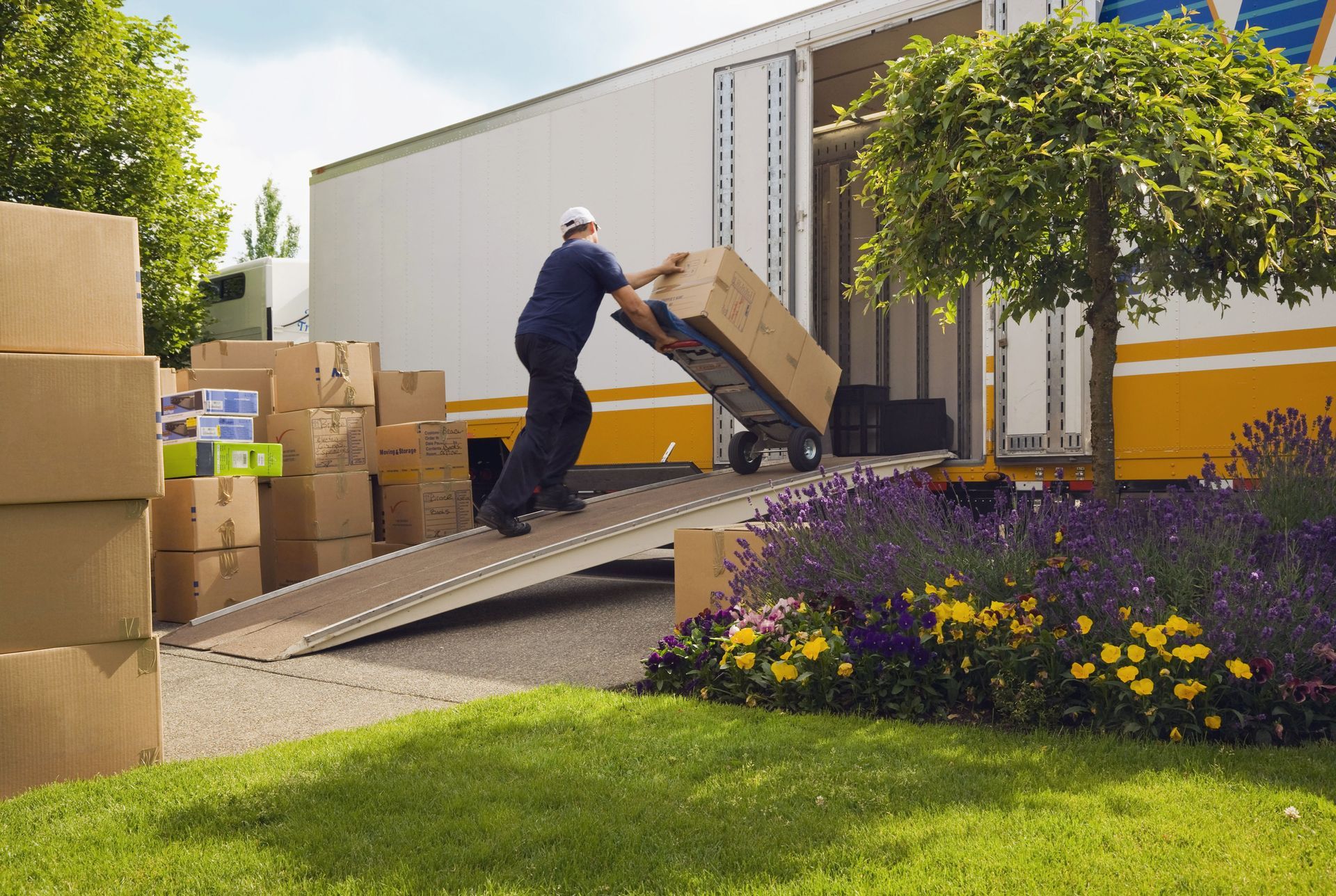
Investing in high-quality materials is crucial for protecting your belongings during a long-distance move. Strong materials ensure your items remain intact throughout the journey. You may also want to acquire moving pads, shrink wrap, and four-wheel dollies to assist with heavier items. Choosing appropriate-sized boxes for each item avoids overpacking, which can lead to breakage or accidents. Quality supplies, though an added expense, ultimately save money by preventing damage to precious items while in transit.
Implement a Systematic Room-by-Room Approach
Packing room by room helps maintain organization and manage the workload effectively. Focus on one space at a time, dealing with off-season clothing or seldom-used items first. Whether you handle this yourself or rely on professional packing services, this method prevents the chaos of scattered items. Working systematically makes the process feel manageable and approachable. A structured approach minimizes the chances of items being misplaced, facilitating a less stressful move.
Secure Fragile Items With Care
Fragile items require special care to arrive at your new home undamaged. Use plenty of padding around delicate objects like glassware, ceramics, and electronics. Clearly mark boxes containing breakables as fragile and make sure movers handle them with care. Consider utilizing inventory services to keep track of valuable and breakable items during the journey. Secure packing ensures your valuable items survive the relocation without costly damage or repair needs upon arrival at your new residence.
Communicate Openly With Your Children
Open communication with your children is key to helping them adjust to a long-distance move. Discuss the reasons for the relocation positively and provide age-appropriate information about the new location. Reassure them that their feelings are valid and encourage them to express their concerns. Engaging them in conversations about the benefits of the move helps build anticipation rather than anxiety. Keeping an open dialogue fosters security and eases the transition for younger family members.
Visit the New Location Virtually
Familiarizing your family with your future home virtually can significantly ease the transition. Explore the new neighborhood together online, looking up attractions, schools, and community centers. Use tools like satellite maps or online community boards to create a connection before physically arriving. Virtual exploration lets family members envision themselves in their new environment and fosters excitement. This proactive approach equips everyone with a sense of belonging and anticipation before stepping foot in the new city.
Create a Collaborative Family Checklist
Collaborative checklists ensure everyone is involved and reduce the strain of forgetting tasks amid chaos. Encourage each family member to list tasks and include their input in your strategy before contacting moving companies to secure a date. Regularly reviewing and updating the checklist as tasks are completed reinforces progress and achievement. This shared accountability strengthens familial bonds and enhances participation. Checklists foster unity and a sense of accomplishment throughout the moving journey.
Coordinate School Transfers Promptly
Ensuring a smooth school transition is vital for your children's continuity in education. Contact future schools early to understand enrollment requirements and gather necessary documentation. Handling paperwork well in advance prevents stress and allows your child to start school without delays. Completing these tasks early also helps you focus your energy on coordinating with moving companies rather than scrambling for transcripts. Thoroughly preparing eases academic adaptation, fostering a positive educational experience post-move.
Manage Utility Setups and Transfers
Coordinating utility services is crucial to settling comfortably in your new home. Notify current providers of your departure and schedule disconnections or transfers as needed. Ensure utilities like water, electricity, and internet are activated before arriving at your new destination in St Louis or elsewhere. Overlooking such logistics may incur unexpected fees or leave your family without essential services upon arrival. Early and thorough management ensures a seamless transition to everyday living in your new environment.
Organize Vehicle Transportation With Care
Deciding how to move your vehicle involves evaluating options based on cost, convenience, and safety. Consider hiring a car transport service if the distance is substantial or if driving poses challenges. For shorter distances or personal preference, towing or driving might be viable options. Access to transportation research can help combat unforeseen costs while finalizing plans with moving companies during the quoting phase. Thoughtful planning means your vehicle arrives safely, ready for use at your new destination.
Prepare the Home Comfortably
Creating a welcoming and comforting environment is vital for a positive start in your new space. Whether you require residential moving or commercial moving, prioritizing living spaces injects warmth right away. Rearranging furniture and decorating with familiar items restores a sense of identity and security. Encourage each family member to personalize their space to foster comfort and ownership. A well-arranged home reflects your individual style and aids in smoother integration into your new lifestyle.
Understand Tax Implications of Relocation
Research state-specific tax implications related to your relocation and any impacts on your financial position. Variations between state taxes could affect income, property, or sales taxes, altering your financial outlook. Consulting a tax professional aids in navigating state-specific regulations and maximizing potential deductions. Invoice preservation from moving companies might yield tax deductions, easing financial burdens post-move. Proactive tax planning ensures a smoother financial transition and compliance with local laws in your new city.
Although moving long-distance presents various challenges, careful planning, organization, and family involvement can transform the process into a rewarding experience. Strategically addressing logistics, emotional adjustments, and financial considerations streamlines the transition. The insights shared empower families to adapt successfully and embrace the new opportunities that await in your next destination. By following these tips, your family can effectively manage the complexities of relocation, minimizing stress and maximizing joy. Embracing change readies families for new beginnings. When you are ready to make a move, we at Arthur Perez Movers are here to help. Contact us today to handle the heavy lifting and start your journey on the right foot.

Share On: